Strato, Lythos Avorio. Noema digital product reference.
A wall can hold our attention through a repeating rhythm, a recognisable form or an accent that emerges from the background. Choosing a decorative design calls for an understanding of which of these presences we want to encounter in a space, and from what distance. Strato, Linfa and Aurea allow us to ask the question on a shared base: Lythos Avorio.
Strato introduces fine raised vertical ribbing. The line gives the eye a movement to follow across the surface. In a design, this direction can be observed beside the edges of a door or a sequence of vertical elements already present. The comparison helps decide what role to give the wall’s rhythm.
Linfa presents a leaf in low relief. The plant form is recognisable and asks us to consider both the design and its relationship with the background. Moving closer allows us to dwell on the mark; stepping away helps us assess its presence within the broader field of the wall, alongside furniture and objects.
Aurea introduces warm burnished gold, applied in a third firing. Here, the choice also concerns the colour accent and how it meets what is beside it. A metal detail on a piece of furniture, a lamp or a type of wood become references to observe when defining the surface’s place.
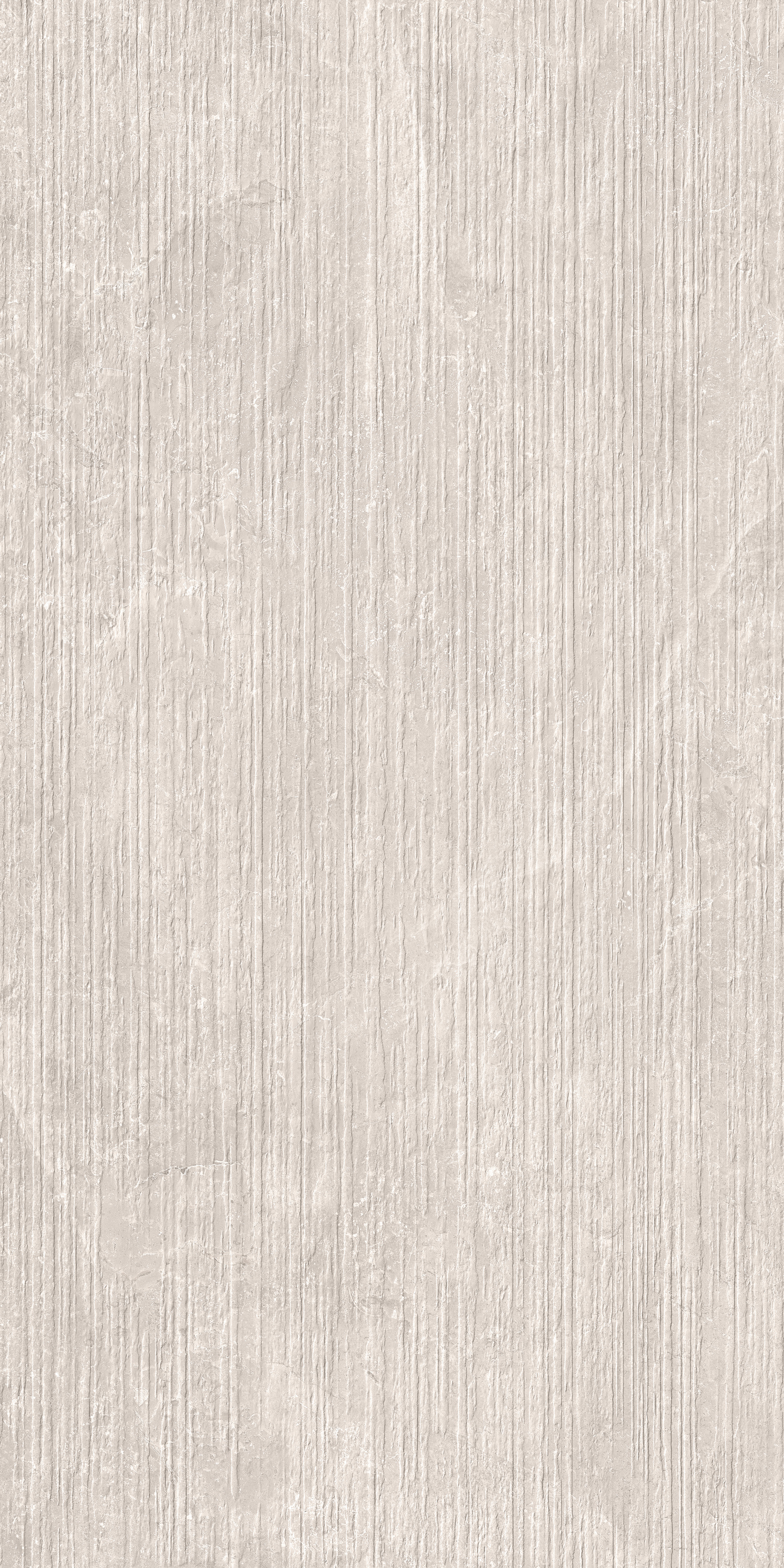
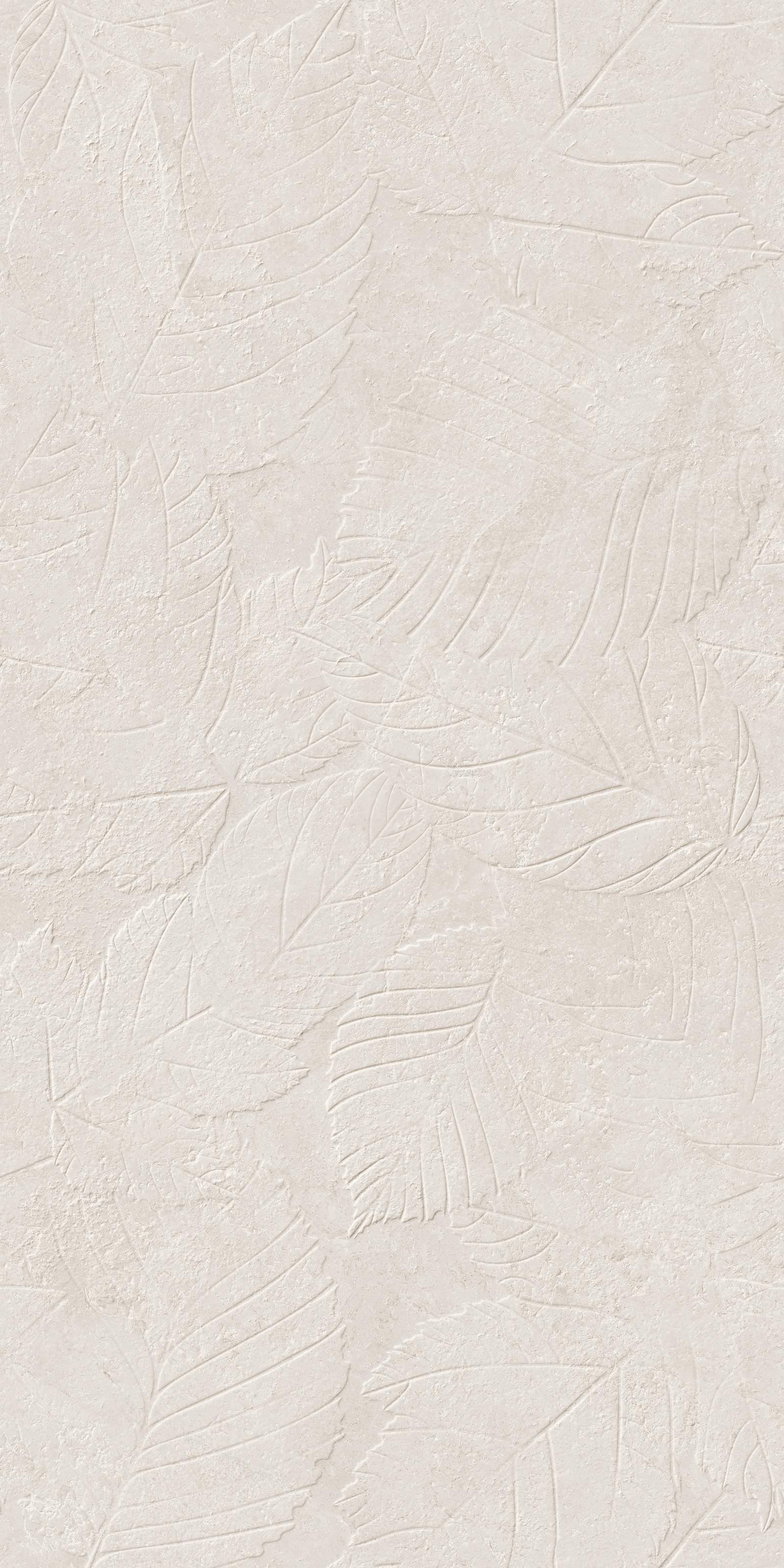
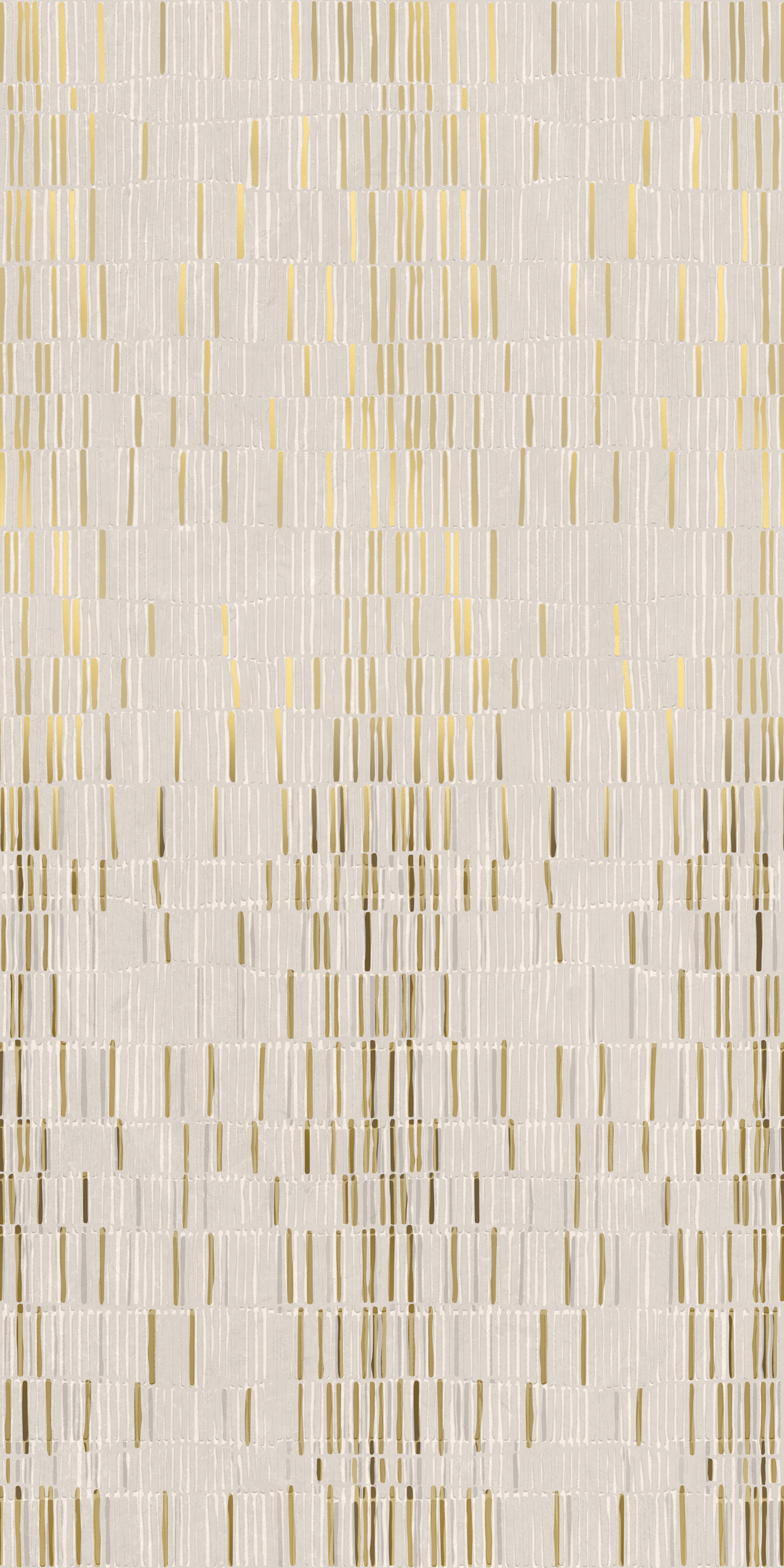
The shared Avorio background makes the differences between the three decorative designs easier to read. We can focus on the kind of mark and how far we want it to extend: a contained area or a broader field. The amount of wall involved changes its relationship with nearby surfaces and with the points from which the room is viewed.
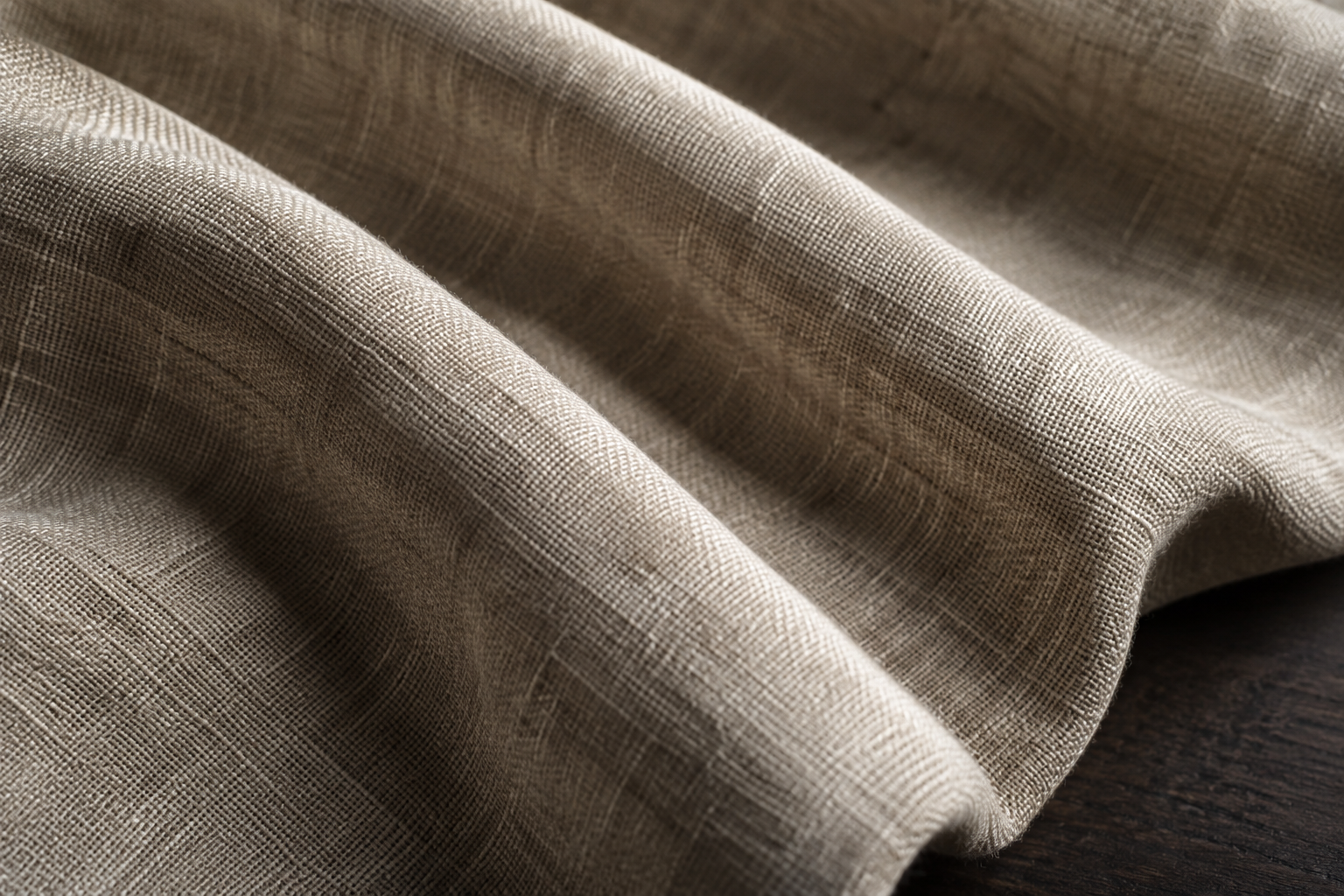
The comparison needs to return to the sample and the conditions of the design, particularly when looking at reliefs and finishes. Before deciding, it may help to return to what caught our attention: following a line, dwelling on a leaf, encountering an accent of gold. What do we want to find again each day?