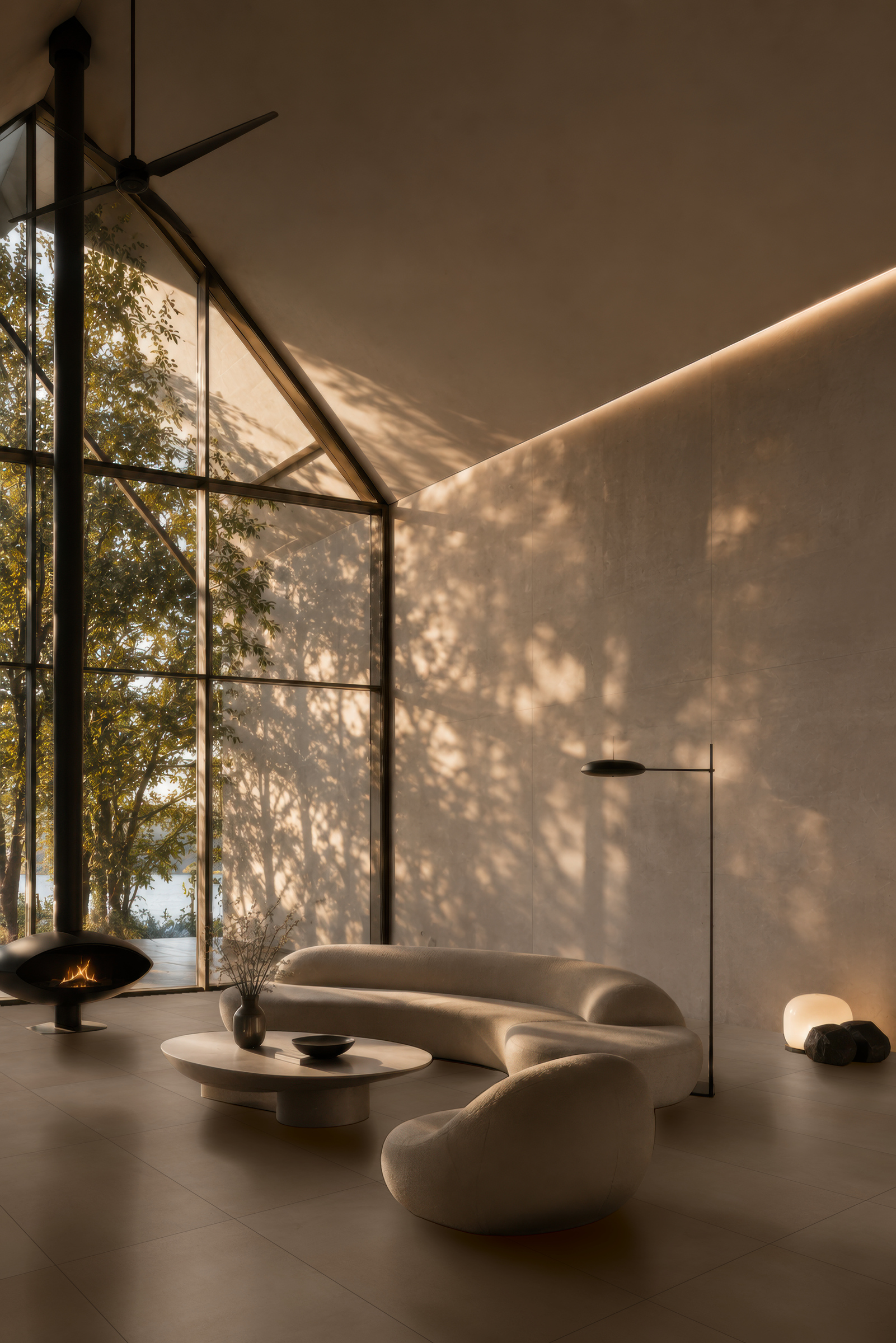
A window and the space around it, in a vision from the Brera campaign.
A room can stay in our memory through a detail: the depth of a window, the distance between a table and a wall, an area that catches the light while the rest remains in shadow. In memory, that detail carries a broader experience of the space and the time spent within it.
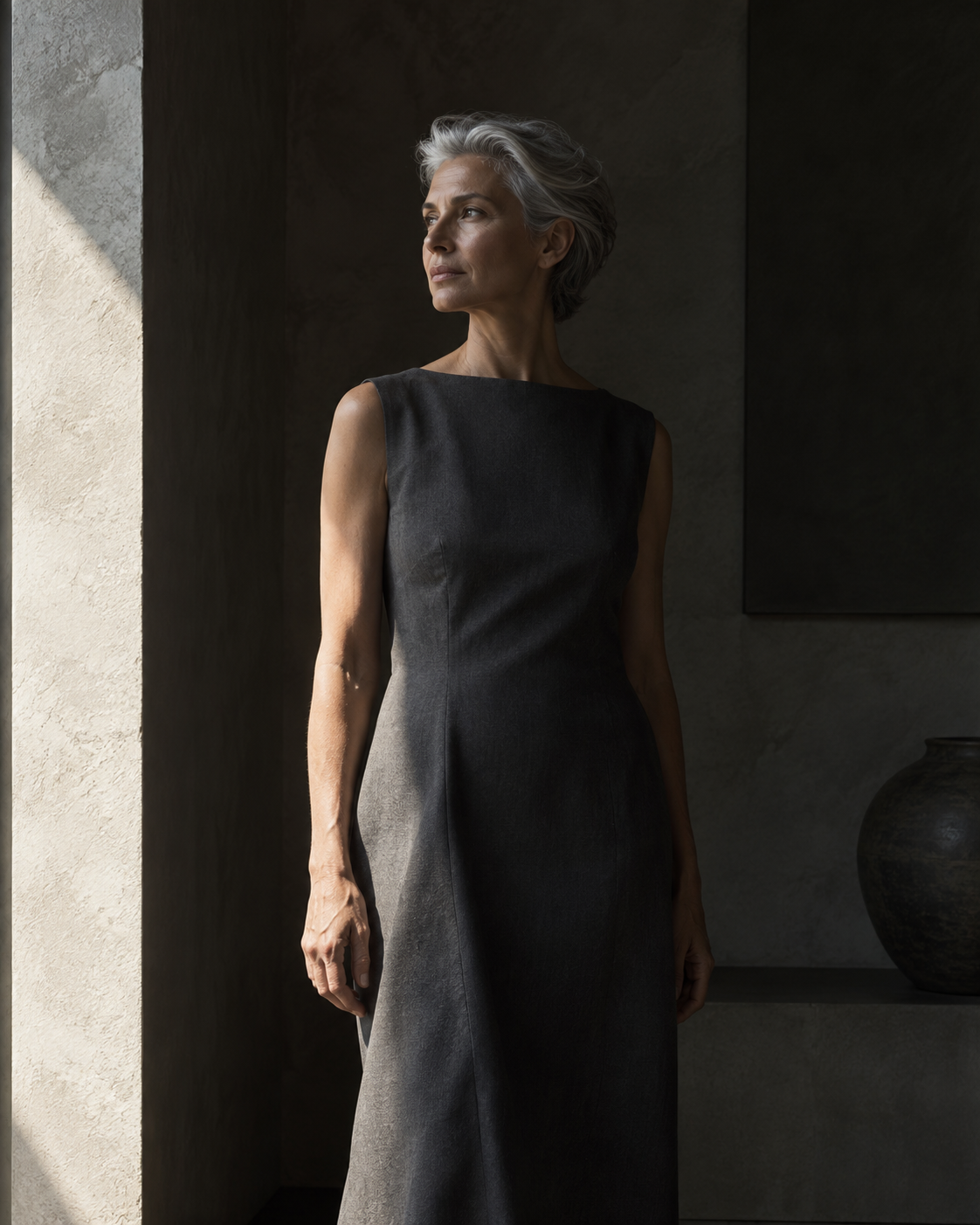
In Atmospheres, published by Birkhäuser in 2006, Peter Zumthor reflects on the quality of architectural environments and the meeting of materials, proportions and light. This reference is the starting point for Noema’s reading: observing a surface in the conditions in which a person will encounter it. The questions that follow belong to our own reflections on design.
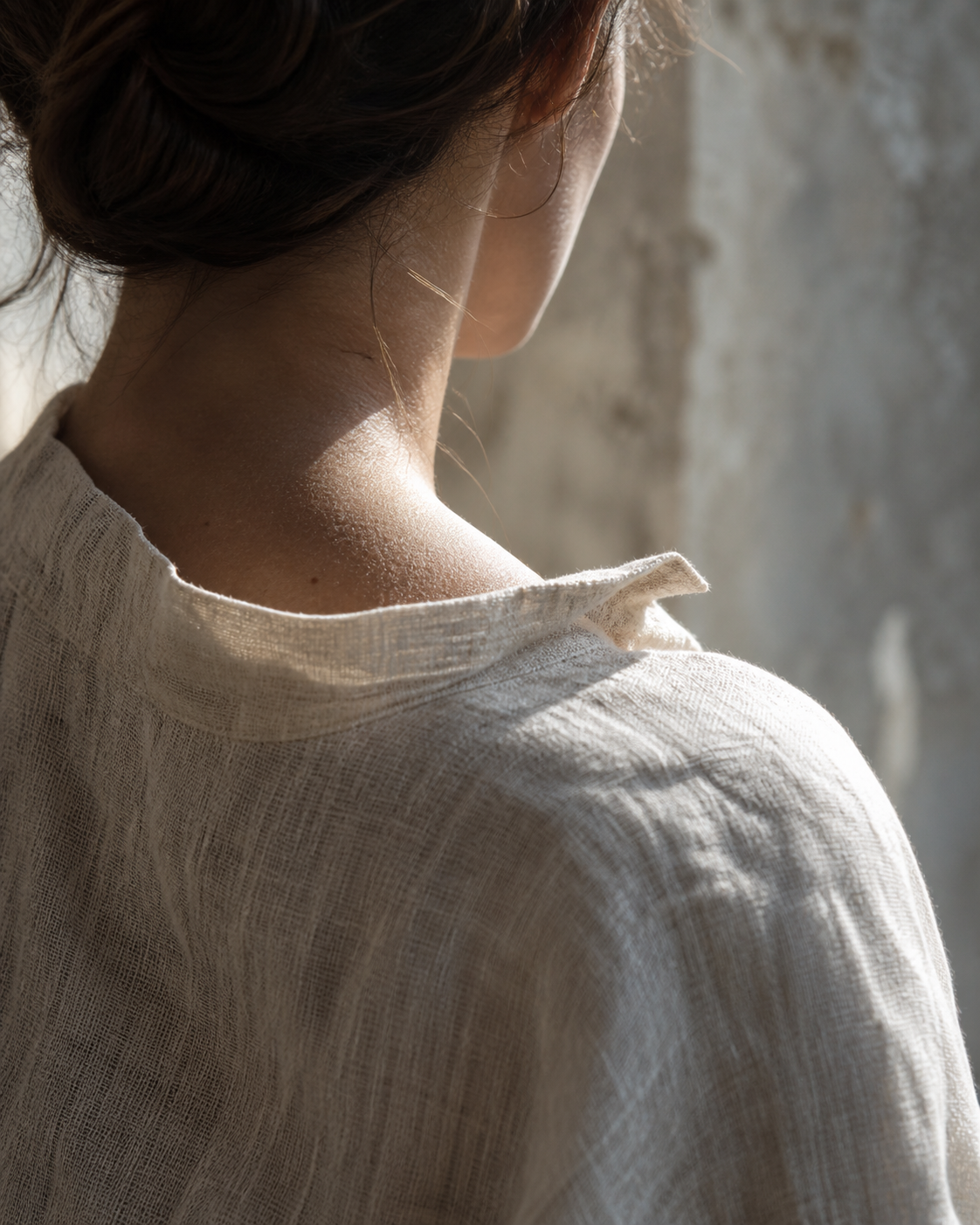
We can begin at the threshold. What does someone entering see? A wall may appear in full, or through part of the opening. The floor may guide the eye towards the far side, while a surface to the side initially stays at the margins. Our viewpoint determines which relationships become immediately legible.
Then we can imagine sitting down. The height of our gaze changes, as does our distance from things. A texture first perceived as a whole may reveal details; the edge of a table may hide part of a wall covering. The design begins to be observed through the body, with its positions and habits.
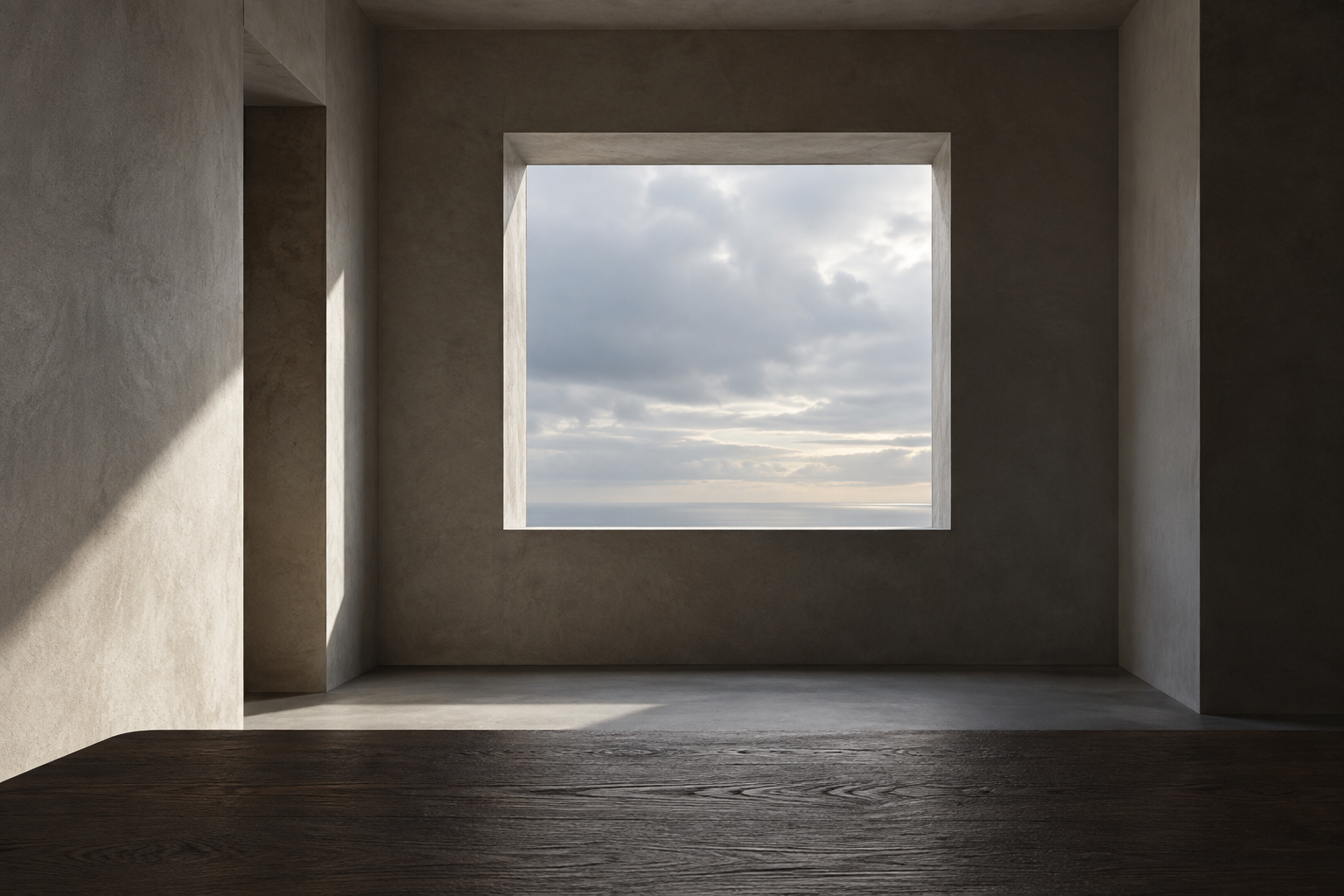
Then there is time. An opening facing the morning light and a lamp switched on in the evening introduce different conditions. The surface participates in these changes alongside fabrics, furniture and other materials. Considering several moments of the day allows us to ask more precise questions of the sample we have chosen.
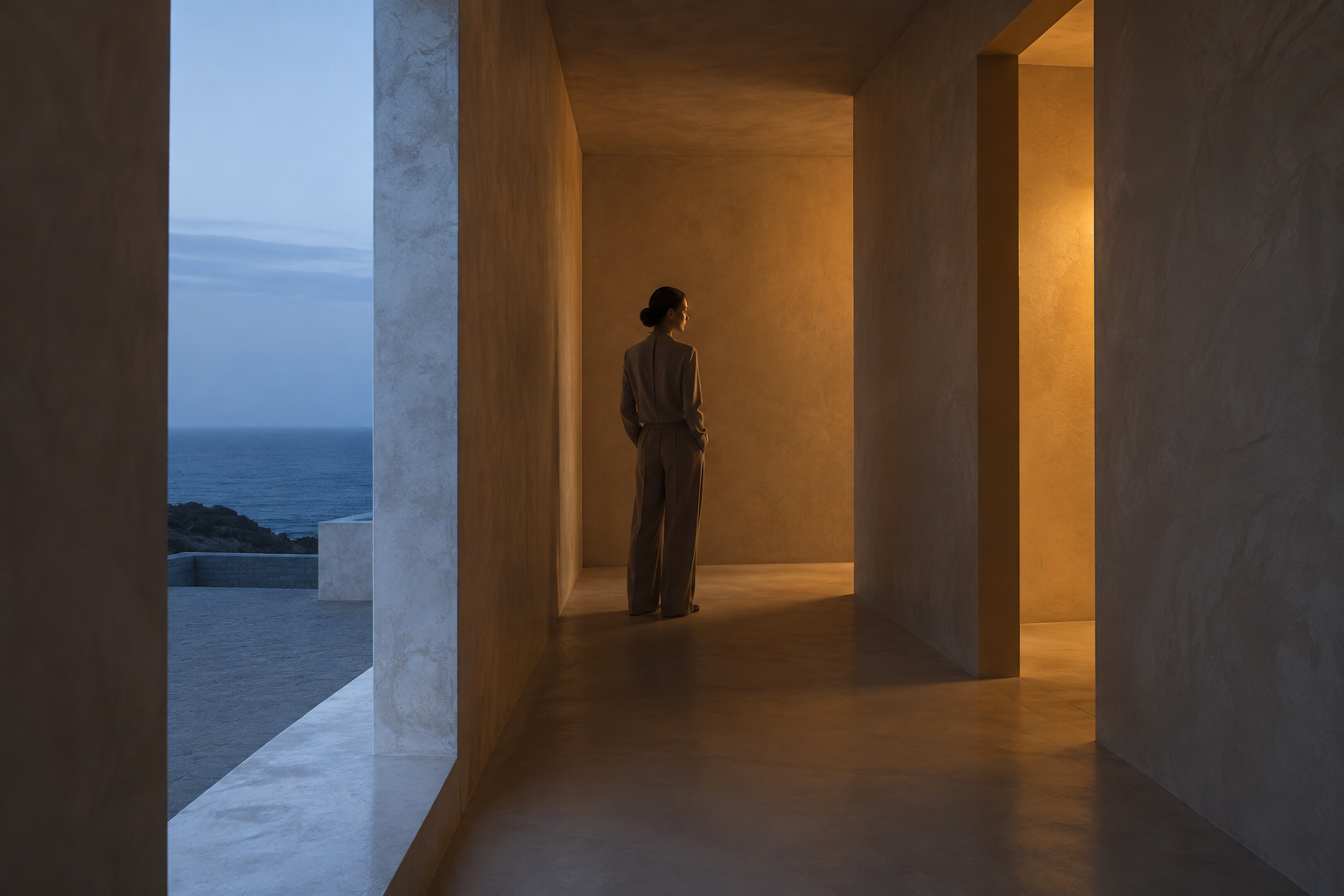
For Noema, reading atmosphere means making room for these observations before settling on a choice. Colour and texture acquire meaning through distances, gestures and durations. The question that accompanies us is concrete: what presence will this surface have for someone entering, pausing and returning to the room?